Clermont County serves as a valuable source of public court information for residents, researchers, and anyone seeking details about local legal proceedings. This website provides information related to court records, case searches, dockets, filings, and court divisions operating within the county court system. Visitors can review available resources that help explain court functions, record availability, and common legal processes. The platform is structured to help users locate relevant court-related information through a clear and organized collection of county court topics.
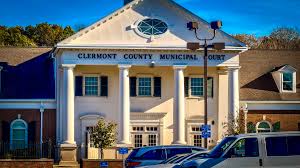
Clermont County court records remain an important part of public legal information, covering matters such as civil disputes, criminal cases, probate proceedings, family-related matters, and other court activities. This website offers informational content about record searches, court departments, hearing schedules, and case-related resources commonly sought by the public. Readers can explore detailed pages covering different areas of the county court system, making it easier to locate information connected to legal records, court operations, and public case data within Clermont County.
How to Search Clermont County Court Records
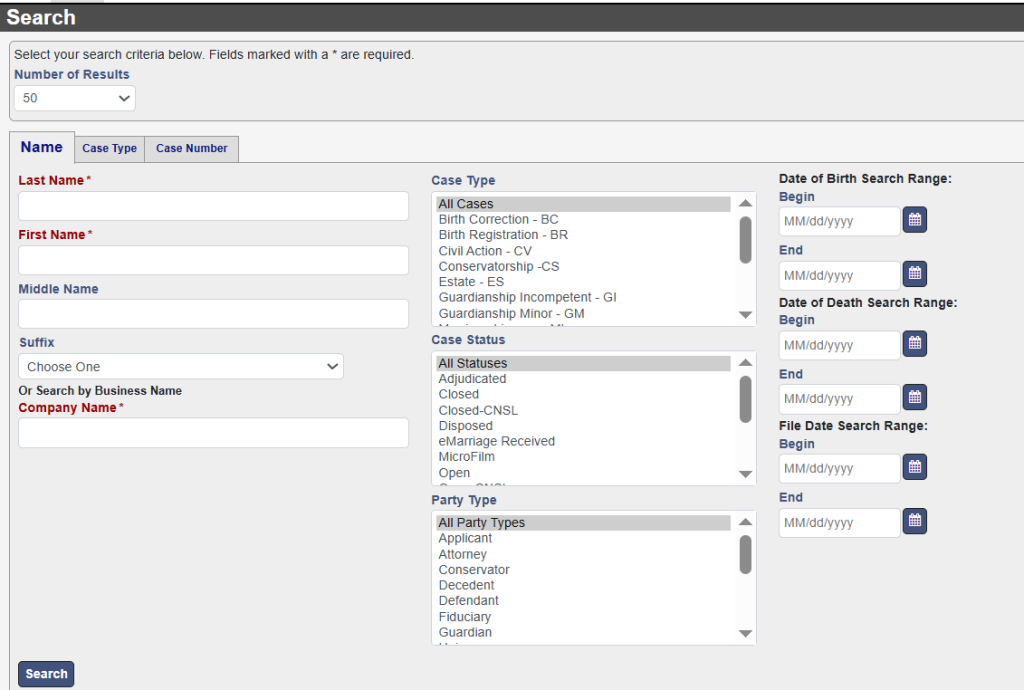
Clermont County Court records can be searched online through the Clermont County Municipal Court eServices search system. Users can locate cases by entering a name, case number, ticket number, or attorney information and then review docket entries, hearing dates, and case details. The Clermont County Court Case Search tool gives the public a convenient way to review court information without visiting the courthouse. By following a few simple steps, users can perform a court lookup, examine case activity, and locate available records related to municipal court proceedings.
The official online case search system is available at: https://municipal.clermontclerk.org/eservices/search.page.3?x=Zel743y5d-ZFSqBUN9nueQ
This search portal allows users to perform an online case search for municipal court matters, including traffic violations, misdemeanor criminal cases, small claims disputes, and civil cases handled by the court.
Open the Clermont County Court Case Search Tool
Start by visiting the official Municipal Court eServices search portal.
The homepage displays search options that allow users to locate court records using different search criteria. No advanced legal knowledge is required, making the system useful for attorneys, researchers, journalists, businesses, and members of the public.
What Can Be Found Through the Search Tool?
The search system may provide information such as:
- Case numbers
- Party names
- Filing dates
- Case status
- Hearing schedules
- Judge assignments
- Court docket entries
- Disposition information
- Traffic case records
- Civil case information
These details help users identify the correct case before reviewing more specific information.
Select a Search Method
The Clermont County Court Records Search tool offers several search options.
Users can search by:
| Search Type | Best Used For |
|---|---|
| Case Number | Finding a specific case quickly |
| Last Name | Locating cases involving a person |
| First and Last Name | Narrowing search results |
| Ticket Number | Traffic-related matters |
| Attorney Name | Cases involving a specific lawyer |
| Business Name | Civil or commercial disputes |
Selecting the appropriate search method often produces faster and more accurate results.
Search by Name
A name search is one of the most frequently used options.
To perform a name search:
- Enter the person’s last name.
- Enter the first name if known.
- Submit the search request.
- Review the list of matching cases.
If several records appear, users can compare filing dates, case types, and party information to locate the correct record.
Helpful Search Tips
For better record retrieval results:
- Use complete names whenever possible.
- Double-check spelling.
- Try alternate name variations if no results appear.
- Review all matching records carefully.
Small spelling differences can affect search results.
Search by Case Number
Searching by case number is often the most accurate method.
Every court case receives a unique identification number at filing. Entering the complete case number usually directs users to the exact record without displaying unrelated results.
Benefits of Case Number Searches
- Faster record retrieval
- More precise results
- Fewer duplicate matches
- Direct connection to the correct case file
Users who have court paperwork should locate the case number before starting a search.
Review Search Results
After submitting a search, the system displays matching records.
The results page may contain:
| Information Displayed | Description |
| Case Number | Official court file number |
| Case Type | Civil, criminal, traffic, or small claims |
| Filing Date | Date the case was opened |
| Party Names | People or entities involved |
| Judge | Assigned judicial officer |
| Status | Open, pending, or closed |
| Hearing Information | Upcoming court appearances |
Reviewing these details helps confirm the correct case has been selected.
Open and Review the Court Docket
Once a case is selected, users can review the docket.
A court docket acts as a chronological record of activity within a case. Every major action taken by the court is recorded within this section.
Information Commonly Found in a Docket
- Case filings
- Court motions
- Hearing notices
- Judge orders
- Continuances
- Trial dates
- Judgments
- Sentencing entries
- Case disposition records
The docket often provides the clearest picture of how a case has progressed through the court system.
Check Hearing Dates and Scheduled Events
Many court records include hearing information.
Users may find:
- Hearing dates
- Hearing times
- Courtroom assignments
- Pretrial conferences
- Status hearings
- Trial schedules
This information can help parties, attorneys, and researchers follow ongoing court proceedings.
Review Available Documents
Certain cases may contain document references linked to docket entries.
Available records may include:
- Complaints
- Affidavits
- Motions
- Court orders
- Judgments
- Case dispositions
- Traffic citations
- Small claims filings
Document availability varies by case type and court policy.
Records That May Have Restrictions
Some records may not be publicly available online, including:
- Juvenile records
- Sealed cases
- Expunged records
- Confidential court filings
- Protected personal information
Restricted files generally require special authorization or are unavailable for public viewing.
Types of Courts in Clermont County
Clermont County Courts consist of multiple court divisions, with each court handling a specific category of legal matters. These courts process criminal, civil, family, probate, juvenile, and traffic-related cases, helping residents locate the appropriate court for records, hearings, and legal proceedings. The Clermont County court system is structured to manage different types of cases through specialized courts. Each division has its own jurisdiction, responsibilities, and record system. Knowing which court handles a case can make a Clermont County court records search more accurate and help users locate filings, dockets, judgments, and case information more efficiently.
Municipal Court
The Clermont County Municipal Court handles many of the legal matters that residents encounter most often. This court processes traffic violations, misdemeanor records, small claims disputes, landlord-tenant matters, and certain civil cases that fall within its jurisdiction. It serves as a key part of the local judicial system by addressing cases that typically involve lower monetary amounts or less serious criminal offenses. Many people use this court to search traffic citations, review court dates, check case status, and locate public records related to municipal court proceedings.
Common Pleas Court
The Clermont County Common Pleas Court is responsible for handling more serious legal matters, including felony cases and major civil litigation. This court hears criminal prosecutions involving significant offenses and civil disputes that exceed the jurisdictional limits of lower courts. It plays a major role in the county’s justice system through jury trials, sentencing hearings, and complex legal proceedings. Many public records searched through this division involve felony charges, personal injury claims, contract disputes, business litigation, and other substantial legal actions filed within Clermont County.
Domestic Relations Court
The Clermont County Domestic Court, often referred to as the family law court, focuses on legal matters involving family relationships and household issues. This court handles divorce proceedings, child custody disputes, child support cases, parenting time arrangements, and spousal support matters. Judges review evidence and issue orders that affect parental responsibilities and family finances. Court records maintained by this division often include divorce filings, custody determinations, support orders, and post-decree modifications. Many residents search this court when seeking information related to family law cases and domestic court proceedings.
Probate Court
The Clermont County Probate Court oversees legal matters involving estates, wills, trusts, guardianships, adoptions, and other probate-related proceedings. Its primary function is to supervise the administration of a deceased person’s estate and confirm that assets are distributed according to applicable laws or valid estate planning documents. The court may appoint guardians for minors or incapacitated adults and process petitions involving name changes and adoptions. Estate records maintained by this division are frequently searched by heirs, family members, genealogists, and others seeking information about probate filings and court-supervised estate matters.
Juvenile Court
The Clermont County Juvenile Court handles cases involving minors and focuses on matters affecting the safety, welfare, and accountability of children. This court hears juvenile delinquency cases, dependency proceedings, neglect allegations, abuse matters, and other legal issues involving young people. Judges work with families, social service agencies, schools, and community organizations to address the needs of children involved in court proceedings. Many juvenile records remain confidential under state law, though the court continues to play a significant role in protecting children’s interests and resolving youth-related legal matters throughout Clermont County.
Clermont County Court Dockets
A Clermont County Court Docket is the official record of events, filings, hearings, and court actions associated with a legal case. Docket records help users review case status, track court proceedings, monitor hearing schedules, and stay informed about important developments throughout the life of a case. Court dockets are among the most frequently searched court records since they provide a timeline of activity for both active and closed cases. They allow users to follow the progress of legal matters without reviewing every document filed in court. Whether a case involves a traffic citation, criminal charge, civil dispute, probate matter, or family law proceeding, the docket serves as a central source of information for tracking case activity and court actions.
What Is a Clermont County Court Docket?
A Clermont County Court Docket is an official record that documents the history and progress of a court case from the date it is filed until final resolution. Every major action taken within a case is recorded as a docket entry, creating a chronological timeline that can be reviewed by attorneys, litigants, researchers, and members of the public. These records provide valuable insight into court proceedings and help users determine what actions have occurred, what filings have been submitted, and what events may still be pending before the court.
Information commonly found on a docket may include:
- Case number
- Filing date
- Party names
- Court division
- Judge assignment
- Docket entries
- Hearing information
- Case disposition
Case Status Information
One of the most useful sections of a docket record is the case status area, which shows the current stage of a legal proceeding. This information helps users determine whether a case remains active, is awaiting further court action, has been resolved, or has been officially closed. Case status updates may change throughout litigation as motions are filed, hearings take place, and judicial decisions are entered. Reviewing the status information allows users to quickly assess the progress of a case without examining every docket entry individually.
Common case status descriptions include:
- Active
- Pending
- Scheduled
- Continued
- Closed
- Disposed
- Dismissed
Hearing Schedules
Hearing schedules listed within the docket provide information about upcoming court appearances and previously scheduled proceedings. These records often include hearing dates, times, courtroom locations, and the nature of the event scheduled before the judge. Parties involved in a case frequently review hearing schedules to prepare for appearances and stay informed about future proceedings. Since hearing dates may be rescheduled or modified during litigation, checking the docket regularly can help users stay updated with the latest court calendar information available.
Hearing details may include:
- Hearing date
- Scheduled time
- Courtroom assignment
- Type of hearing
- Presiding judge
- Case number reference
Scheduled Proceedings
Scheduled proceedings represent the various events that occur during the course of a legal case and are recorded as part of the docket history. These proceedings may involve preliminary hearings, motion hearings, settlement conferences, status reviews, trials, sentencing hearings, or other judicial events. Each proceeding contributes to the overall progress of a case and provides insight into the actions being taken by the court. Reviewing scheduled proceedings helps users identify significant milestones and gain a clearer picture of where a case stands within the judicial process.
Examples of scheduled proceedings include:
- Arraignments
- Pretrial conferences
- Motion hearings
- Settlement conferences
- Bench trials
- Jury trials
- Sentencing hearings
Docket Entries and Updates
Docket entries serve as the ongoing record of filings, notices, orders, and actions that occur within a court case. Every time a document is submitted or a judicial action occurs, a new entry may be added to the docket. These updates help users monitor developments and review the procedural history of a case. Since docket entries are organized chronologically, they provide a clear timeline of events from the initial filing through final disposition, making them a valuable resource for case tracking and legal research.
Common docket entries include:
- Complaints
- Motions
- Responses
- Court orders
- Hearing notices
- Judgments
- Continuances
- Case dispositions
Using Dockets for Case Tracking
Many attorneys, litigants, journalists, and researchers rely on court dockets for effective case tracking. The docket acts as a centralized source of information that allows users to monitor hearings, review filings, follow judicial decisions, and observe case progress over time. Regular review of docket information can help identify important developments and upcoming court events. Users seeking more detailed information can continue to the Court Docket Page, where additional case tracking resources, hearing schedules, and docket records may be available.
Public Access to Court Records in Clermont County
Public Court Records Clermont County are available under Ohio public records laws, allowing citizens to review many court filings, dockets, judgments, and case details. Record availability depends on the type of case, court rules, and privacy protections that may restrict certain documents from public inspection. Public access to court records supports court transparency and helps maintain confidence in the judicial system. Many court records can be searched online or requested through the appropriate court office. These records provide valuable public information about legal proceedings, court decisions, and case activity. At the same time, Ohio courts balance public access with privacy protections that safeguard sensitive information, confidential records, and documents that are restricted by law.
Public Records Laws
Ohio public records laws support open government by allowing members of the public to inspect many court records maintained by county courts. These laws promote judicial disclosure by making a large portion of court information available for review unless a legal exemption applies. Court records often include case filings, docket entries, judgments, orders, and hearing information. Public records laws help citizens, attorneys, journalists, researchers, and businesses obtain information about court proceedings while maintaining transparency throughout the legal process.
Records commonly available under public records laws include:
- Civil case records
- Criminal case records
- Court dockets
- Judgments and orders
- Hearing schedules
- Case status information
- Probate filings
- Traffic case records
Record Availability
Record availability varies depending on the court division, case type, and status of the proceeding. Many records can be viewed through online court search systems, while others may require a request through the clerk’s office. Publicly available records often contain information such as party names, filing dates, case numbers, hearing schedules, and court actions. Some older records may exist only in archived formats and may require additional processing time before review. Availability can also vary between Municipal, Common Pleas, Probate, Domestic Relations, and Juvenile Courts.
Restricted Records
Certain court records are restricted from public inspection to protect privacy interests, ongoing investigations, or sensitive legal matters. Restricted records are generally unavailable through public search systems and may only be reviewed by authorized parties or individuals approved by the court. Ohio law recognizes several categories of records that require additional protection. These restrictions help prevent the disclosure of information that could affect minors, victims, witnesses, or parties involved in sensitive proceedings while maintaining compliance with applicable record access laws.
Examples of restricted records may include:
- Sealed court records
- Expunged cases
- Juvenile case files
- Adoption proceedings
- Certain mental health matters
- Protected victim information
- Confidential investigative materials
Confidential Documents
Confidential documents are records that contain information protected by law, court rule, or judicial order. These documents may be filed within an otherwise public case but remain unavailable for public review. Courts often restrict records containing personal identifiers, financial account details, medical information, or information involving minors. Confidentiality rules help protect privacy while allowing courts to maintain accurate records of legal proceedings. In many cases, a public docket may show that a document exists without displaying the document itself or its protected contents.
Information commonly protected within confidential documents includes:
- Social Security numbers
- Financial account numbers
- Medical records
- Tax information
- Personal identifying information
- Minor child information
- Protected addresses
- Confidential witness information
Court Transparency and Public Information
Court transparency remains a key principle of the judicial system and supports public confidence in court operations. Public court records allow citizens to review case activity, monitor legal proceedings, and examine judicial actions. Through public information systems, court dockets, and record search tools, users can follow many aspects of the legal process. At the same time, record access laws establish reasonable limits that protect sensitive information from unnecessary disclosure. This balance helps courts provide meaningful public access while respecting privacy and legal protections established under Ohio law.
Clermont County Clerk of Courts and Record Management
The Clermont County Clerk of Courts plays a central role in court administration by maintaining official court records, processing case filings, and managing legal documentation. The office supports the judicial system by preserving records, handling court documents, and maintaining accurate case information for courts and the public. The Clermont County Clerk of Courts serves as the official custodian of many court records generated throughout the county’s judicial system. Through record maintenance and document management practices, the office helps preserve legal information related to civil, criminal, traffic, and other court proceedings. Accurate record keeping supports transparency, case tracking, judicial operations, and long-term preservation of important legal documents.
Clerk Responsibilities
The Clermont County Clerk of Courts performs a wide range of duties that support the daily operation of the court system. The office acts as the official record keeper for court proceedings and serves as a link between judges, attorneys, litigants, law enforcement agencies, and the public. Clerk responsibilities include processing legal filings, maintaining court records, collecting fees, issuing certified copies, and updating case information within court databases. By carrying out these functions, the clerk helps courts operate efficiently and helps preserve the accuracy of official judicial records.
Record Keeping
Record keeping is one of the primary responsibilities of the Clermont County Clerk of Courts. Every case filed with the court generates documents that must be organized, preserved, and maintained according to legal requirements. These records may include complaints, motions, court orders, judgments, docket entries, and other legal filings. Proper record maintenance allows courts to retrieve information when needed and helps preserve the history of legal proceedings. Accurate record keeping also supports public record searches and provides a reliable source of information for future court activity.
Case Filings
Case filings are an important part of court operations and are processed through the clerk’s office. When a lawsuit, criminal charge, appeal, or other legal action begins, the required documents are submitted and recorded through established filing procedures. The clerk reviews submissions for compliance with court requirements, assigns case numbers, and enters filing information into official court systems. These records become part of the permanent case file and help create an organized history of the legal proceeding from the initial filing through final resolution.
Document Management
Document management involves organizing, storing, tracking, and preserving the large volume of legal documentation handled by the courts. The Clermont County Clerk of Courts maintains records in both physical and electronic formats to support efficient retrieval and long-term preservation. Court filings, judicial orders, motions, judgments, and other records must be properly indexed so they can be located when needed. Effective document management supports court administration, improves record accuracy, and helps maintain the integrity of legal records throughout the life cycle of a case.
Court Administration and Record Maintenance
Court administration depends heavily on accurate record maintenance and organized legal documentation. The Clermont County Clerk of Courts helps support judicial operations by maintaining case files, updating court records, preserving historical documents, and managing information used throughout legal proceedings. These responsibilities contribute to efficient court functions and help courts maintain reliable records for future reference. Through consistent record maintenance practices, the clerk’s office plays an important role in supporting court services, preserving legal history, and maintaining the official records generated by Clermont County courts.
Online Resources for Clermont County Court Information
Clermont County Court Information is available through several online resources that provide court services, case lookup tools, record request details, courthouse locations, and court schedules. These resources help users review case activity, locate court records, verify hearing dates, and obtain information about court operations throughout Clermont County. Online court resources allow the public to obtain important court information without visiting a courthouse. Through official court websites and electronic record systems, users can search cases, review docket entries, locate filing information, and check court schedules. These digital services help improve public access to court information and provide a convenient way to stay informed about legal proceedings and court-related activities.
Court Services
Several online court services are available for users seeking Clermont County Court Information. These services help the public review case records, monitor court proceedings, locate filing information, and obtain details regarding court administration. Many court websites provide electronic search tools that allow users to check case status, review docket entries, and locate hearing information. Online court services save time by making commonly requested information available through digital platforms rather than requiring an in-person courthouse visit.
Common online court services include:
- Court record searches
- Case status verification
- Docket review
- Hearing information
- Filing information
- Court forms
- Clerk services
- Public notices
Case Lookup Options
Case lookup systems are among the most frequently used online court resources. These search tools allow users to locate records by entering a case number, party name, attorney name, or ticket number. After locating a case, users may review filing dates, docket entries, hearing schedules, judicial actions, and case status information. Online case searches are useful for attorneys, litigants, journalists, researchers, and members of the public seeking information about court proceedings within Clermont County.
Popular case search methods include:
- Case number search
- Name search
- Attorney search
- Ticket number search
- Business name search
- Docket lookup
Record Requests
Many court websites provide information about requesting court records and legal documentation. Users may obtain information regarding copy fees, certified records, archived files, and request procedures through online resources maintained by the courts or clerk’s offices. Record requests may involve civil cases, criminal proceedings, probate matters, domestic relations files, and other court records maintained by the county. Availability depends on court policies, record type, and applicable privacy restrictions.
Records frequently requested include:
- Court judgments
- Case filings
- Docket records
- Hearing records
- Probate records
- Divorce records
- Criminal case files
- Certified court documents
Court Schedules
Court schedules help users stay informed about upcoming hearings, trials, and judicial proceedings. Many hearing dates can be viewed through online docket systems after locating a case record. Hearing schedules may include the date, time, courtroom assignment, and proceeding type. Since courts occasionally reschedule matters, users should review the docket regularly for the most current information. Court calendars remain an important resource for attorneys, litigants, witnesses, and anyone following an active case.
Court schedule information may include:
- Hearing dates
- Courtroom assignments
- Trial schedules
- Status conferences
- Motion hearings
- Sentencing hearings
- Pretrial conferences
Clermont County Court Location and Office Hours
The main Clermont County court facilities and court administration offices are located in Batavia, Ohio, which serves as the county seat and the center of judicial operations for Clermont County. Most court services, record searches, case filings, and public inquiries are handled through court offices located within the county’s judicial complex. Before visiting, users should verify office availability and court schedules, as hours may change during holidays, weather events, or special court closures.
Main Court Location
- Clermont County Common Pleas Court
- 270 East Main Street
- Batavia, Ohio 45103
Office Hours
- Monday: 8:00 AM – 4:30 PM
- Tuesday: 8:00 AM – 4:30 PM
- Wednesday: 8:00 AM – 4:30 PM
- Thursday: 8:00 AM – 4:30 PM
- Friday: 8:00 AM – 4:30 PM
- Saturday: Closed
- Sunday: Closed
Services Available During Business Hours
- Court record searches
- Case filing services
- Clerk assistance
- Court docket inquiries
- Certified copy requests
- Court fee payments
- Public record requests
- General court information
Visitors are encouraged to arrive early when requesting records or filing legal documents, particularly on busy court days. Checking scheduled hearings and court calendars before visiting can help avoid delays and provide a smoother courthouse experience.
Frequently Asked Questions (FAQ’s)
The following frequently asked questions address common topics related to Clermont County Court records, court searches, docket information, public records, and the overall court system.
What is the Clermont County Court system?
The Clermont County Court system consists of several court divisions that handle different categories of legal matters. These include the Municipal Court, Common Pleas Court, Domestic Relations Court, Probate Court, and Juvenile Court. Each court has specific responsibilities and jurisdiction over certain case types, including criminal matters, civil disputes, family law cases, estate proceedings, traffic violations, and juvenile matters. Together, these courts help administer justice and maintain official records related to legal proceedings throughout Clermont County.
How do I search Clermont County Court records?
A Clermont County Court records search can typically be performed through available online court record systems or by contacting the appropriate court office. Users may search records using a case number, party name, attorney name, or other identifying information. Search results often include case status, filing dates, hearing schedules, docket entries, and court actions. Choosing the correct court division before beginning a search can help locate records more efficiently and improve the accuracy of search results.
Are Clermont County Court records public?
Many Clermont County Court records are available for public inspection under Ohio public records laws. Publicly available records may include court dockets, judgments, case filings, hearing information, and court orders. Certain records remain restricted from public viewing, including sealed files, expunged cases, juvenile matters, adoption proceedings, and documents containing protected personal information. Record availability depends on the case type, court policies, and applicable privacy laws governing court records.
What types of courts exist in Clermont County?
Clermont County Courts include several specialized divisions that handle different legal matters. The Municipal Court commonly handles traffic offenses, misdemeanors, and small claims disputes. The Common Pleas Court handles felony cases and major civil litigation. The Domestic Relations Court focuses on divorce, custody, and support matters. The Probate Court manages estate administration, guardianships, and adoptions, while the Juvenile Court hears cases involving minors, child welfare matters, and juvenile delinquency proceedings.
What information appears in court records?
Court records often contain information related to the progress and outcome of legal proceedings. Depending on the case, records may include case numbers, filing dates, party names, court orders, motions, judgments, hearing dates, judicial assignments, and docket entries. Some records may contain additional legal documentation submitted during the course of litigation. The amount of information available varies according to the court division, case category, and any restrictions that may apply to specific records.